

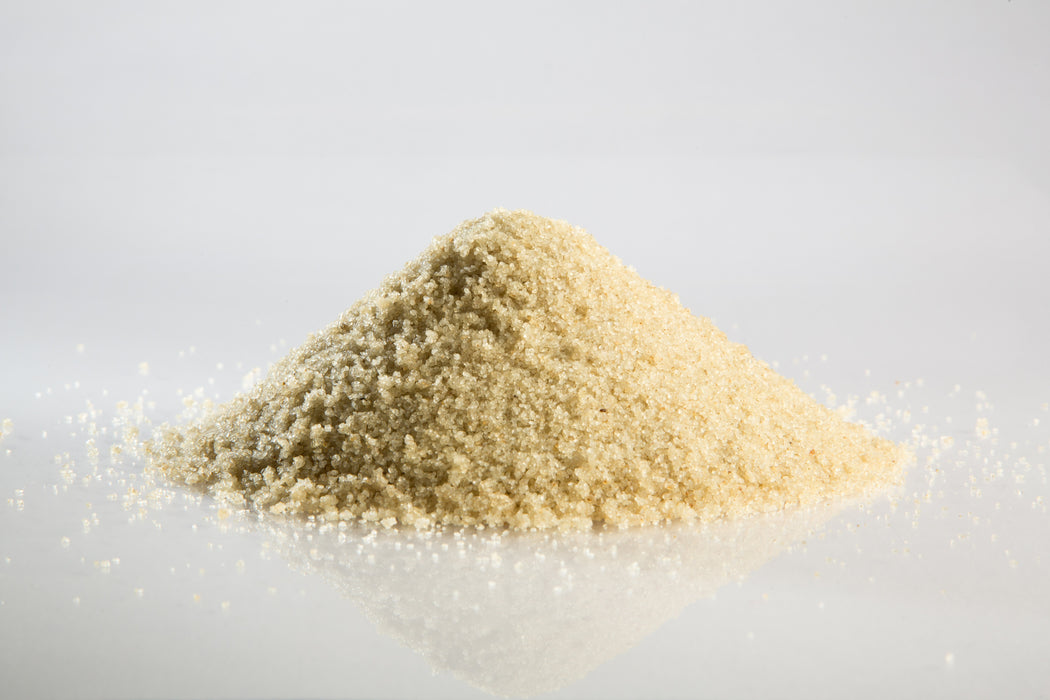
Fonio Grain - Ancient West African Gluten-Free Whole Grain - 2 Lbs
Fonio grain, also known as acha, iburu, or findi, is an ancient West African whole grain harvested from the plant Digitaria exilis and sold here as a naturally gluten-free 2 lb pack. It is made up of small, unprocessed whole grains that cook in under 10 minutes into a light, fluffy texture similar to couscous or quinoa. Fonio grain is used to prepare gluten-free grain bowls, jollof fonio, breakfast porridge, and pilaf, and works as a direct substitute for couscous, quinoa, bulgur, or rice in most recipes. It is well suited for people following a gluten-free diet, home cooks looking for a quick-cooking ancient grain, and anyone exploring West African and Sahelian cuisine.
What Is Fonio?
Fonio (botanical name Digitaria exilis) is an ancient African cereal grain in the millet family, cultivated for more than 5,000 years. It's known by many regional names: acha in Nigeria's Middle Belt, iburu among the Hausa, fonio in French West Africa (Senegal, Mali, Guinea), and sometimes "hungry rice" in English — a nod to how it sustains farming communities during lean growing seasons. In Dogon culture (Mali), fonio is called "the seed of the universe."
Who It's For
- Anyone looking for a gluten-free grain to replace couscous, quinoa, or rice
- Home cooks who want a whole grain that cooks in under 10 minutes
- People exploring West African and Sahelian cuisine
- Anyone managing blood sugar who wants a lower glycemic index grain option
Taste & Texture
Cooked fonio is light, fluffy, and slightly nutty — closer to couscous or quinoa than to rice. The grains are tiny (smaller than millet), so they cook quickly and absorb the flavor of whatever broth, spice, or sauce they're paired with.
How to Cook Fonio Grain
- Rinse the grain briefly in cool water.
- Use a 1:1.5 ratio of fonio to water or broth (adjust for preferred texture).
- Bring liquid to a boil, stir in the fonio, cover, and reduce to a simmer.
- Cook for 5–8 minutes, then remove from heat and let it steam, covered, for 5 more minutes.
- Fluff with a fork before serving.
Nutrition Highlights
- Naturally gluten-free whole grain
- Contains amino acids like methionine and cysteine that are often low in other grains
- Lower glycemic index than white rice, which can help with more gradual blood sugar response
- A good source of dietary fiber and iron as part of a varied diet
Storage
Store in a cool, dry pantry in a sealed container or its original resealable packaging. Properly stored, dry fonio keeps well for up to a year. Cooked fonio should be refrigerated and used within 3–4 days.
Best For / Use Cases
- Best for: gluten-free grain bowls, quick weeknight sides, West African-style jollof fonio, breakfast porridge
- Ideal for: anyone substituting couscous, quinoa, bulgur, or rice in a recipe
- Popular pairings: Ayamase (green pepper sauce), grilled suya, sauteed vegetables, peanut stew, stewed greens
- Recommended recipes: fonio jollof, fonio salad with lemon and herbs, fonio porridge with milk and honey, fonio pilaf with vegetables
How It Compares
Compared to couscous (wheat-based), fonio is naturally gluten-free. Compared to quinoa, fonio cooks faster and has a milder flavor. Compared to white rice, fonio offers more fiber and a nuttier taste while cooking in a similar amount of time.
Why People Buy This
Shoppers choose this fonio grain for its speed (ready faster than most whole grains), its gluten-free profile, and its role as an entry point into West African cooking. It's also popular with people rediscovering ancestral grains and looking to diversify beyond rice and wheat.