
Bambara Flour (Okpa Flour) - High-Protein Gluten-Free Bean Flour
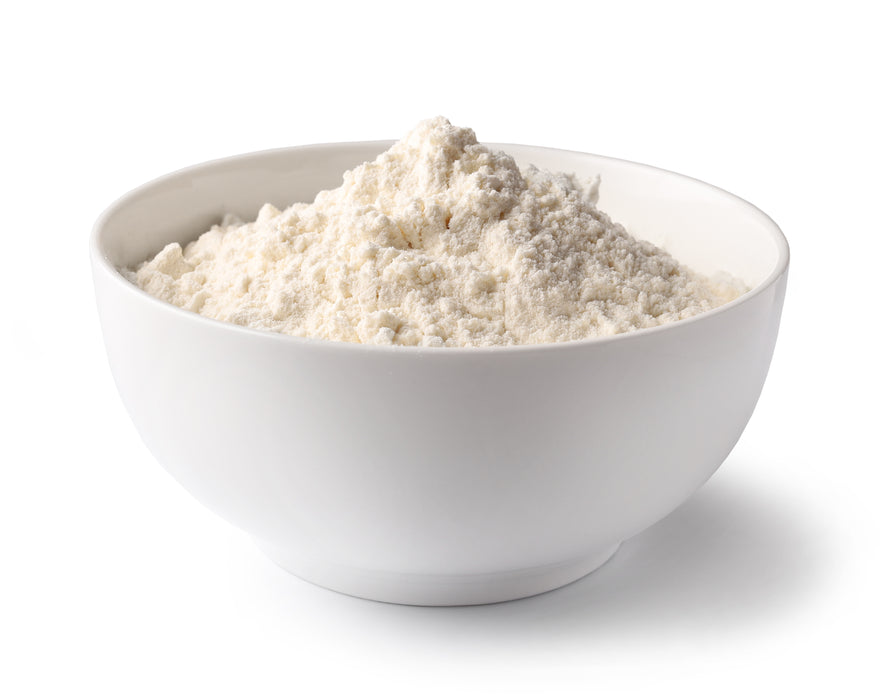
Bambara flour, also called Okpa flour, is a stone-milled flour made from the Bambara groundnut (Vigna subterranea), a West African legume also known as the Bambara bean, jugo bean, njugo bean, or Aya. It is made by milling whole Bambara beans harvested in Northeastern Nigeria into a fine, naturally gluten-free flour. Bambara flour is used mainly to prepare Okpa, a steamed Nigerian bean pudding, and can also be used in porridge and fritters. It is well suited for Igbo and Nigerian home cooks, gluten-free households, and anyone looking for a complete plant-protein flour.
What Is Bambara Flour?
Bambara flour is milled from the Bambara groundnut, also known as the Bambara bean, Congo goober, jugo bean, njugo bean, or Aya (Hausa). It's native to West Africa and is one of the region's oldest cultivated legumes. This flour is stone-milled from whole Bambara beans harvested in Northeastern Nigeria, giving it a fine, consistent texture ready for cooking.
Who It's For
- Anyone cooking or craving Okpa, the traditional steamed Nigerian bean pudding
- People looking for a high-protein, gluten-free flour alternative to wheat
- Vegans and vegetarians wanting a plant-based complete-protein ingredient
- Home cooks exploring Igbo and wider West African cuisine
Taste & Texture
Raw Bambara flour has an earthy, nutty, bean-like aroma. Once cooked (typically steamed into Okpa), it sets into a dense, moist, custard-like pudding with a savory, slightly peppery flavor from the spices it's usually cooked with.
How to Prepare Okpa (Bambara Pudding)
- Whisk Bambara flour with warm water, palm oil, ground pepper, and diced onion into a smooth, lump-free batter.
- Season with salt and stock cubes to taste.
- Pour the batter into ramekins, foil cups, or wrap in leaves/leaf-lined moulds.
- Steam for 45–60 minutes until firm and set, similar to preparing Moi Moi.
- Cool slightly before unwrapping and serving.
Nutrition Highlights
- A complete plant protein — Bambara groundnut contains all essential amino acids, which is uncommon among legumes
- Naturally gluten-free
- Good source of dietary fiber and plant-based iron
- Lower in fat than groundnuts (peanuts), making it a lighter protein option
Storage
Keep sealed in a cool, dry pantry away from moisture. Properly stored, the flour keeps for several months. Cooked Okpa should be refrigerated and eaten within 2–3 days, or frozen for longer storage.
Best For / Use Cases
- Best for: making Okpa, bean pudding, protein-rich porridge
- Ideal for: gluten-free and high-protein diets, plant-based meal prep
- Popular pairings: palm oil, ground crayfish, scotch bonnet pepper, sliced onion, garden eggs
- Recommended recipes: classic Okpa, Bambara porridge, Bambara bean fritters
How It Compares
Compared to regular groundnut (peanut) flour, Bambara flour is lower in fat and contains a more complete amino acid profile. Compared to wheat flour, it's naturally gluten-free and far higher in protein, though it behaves differently (it sets like a custard rather than baking like bread flour).
Why People Buy This
Customers buy Bambara/Okpa flour specifically to recreate Okpa at home without sourcing and grinding whole Bambara beans themselves. It's also popular with people looking for gluten-free, plant-based protein flours rooted in West African tradition.