
Locust Beans (Iru/Dawadawa) - Fermented Nigerian Soup Condiment - 100g
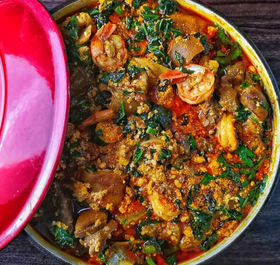
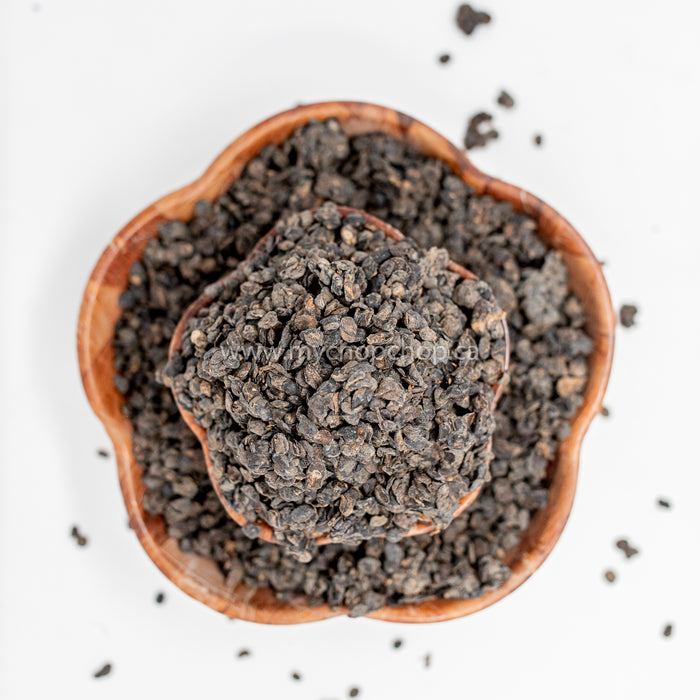
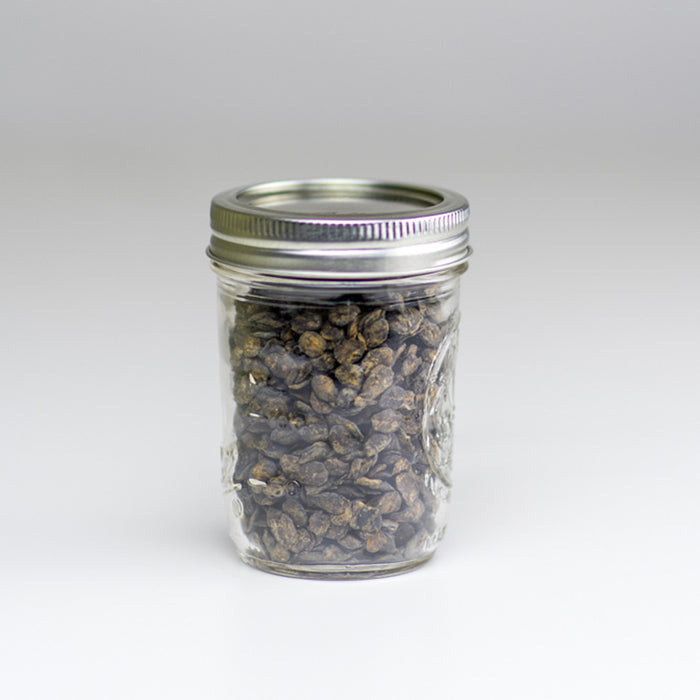
Locust beans, known as Iru in Yoruba or Dawadawa in Hausa, are fermented seeds from the African locust bean tree, sold here in 100g Whole or Grounded form. They are made by fermenting the tree's seeds into a pungent, umami-rich condiment. Locust beans are used to season Nigerian and West African soups such as vegetable soup, ewedu, gbegiri, and okro soup. They are well suited for home cooks preparing traditional Yoruba and Hausa dishes who want an authentic umami flavor.
What Are Locust Beans (Iru)?
Locust beans are seeds from the African locust bean tree that have been fermented into a strong-smelling, umami-packed condiment. Known as Iru among the Yoruba and Dawadawa among the Hausa, it's a foundational flavoring agent across Nigerian and West African cooking, similar in role to fish sauce or fermented soybean products in other cuisines.
Who It's For
- Home cooks preparing authentic Nigerian soups like vegetable soup, ewedu, gbegiri, or okro soup
- Anyone seeking an umami-rich, traditional fermented seasoning
- Fans of Yoruba and Hausa cuisine
Taste & Aroma
Iru has a strong, pungent, fermented aroma and a deep, savory, umami flavor. A little goes a long way — it's used in small amounts to season a whole pot of soup.
How to Use Locust Beans
- Add a small amount of Iru (whole or grounded) directly into simmering soup.
- Whole Iru can be rinsed briefly before use if a milder flavor is preferred.
- Grounded Iru blends more easily into the soup base and is convenient for quick seasoning.
Best For / Use Cases
- Best for: vegetable soup, ewedu soup, gbegiri, okro soup
- Ideal for: traditional Yoruba and Hausa cooking, umami-forward soups
- Popular pairings: crayfish, palm oil, pepper, stockfish
- Similar/alternative products: Grounded Locust Beans (Iru), Banga Spice
Storage
Store in a sealed container in the refrigerator or a cool, dry place to manage its strong aroma and preserve freshness.
Why People Buy This
Shoppers buy Iru for the authentic umami depth it brings to Nigerian soups — a flavor that's difficult to replicate with any substitute.